

In today’s fast-paced world, maintaining a resilient immune system is more crucial than ever. Our immune system serves as the body’s frontline defence, tirelessly working to fend off pathogens and keep us healthy. However, factors like stress, poor nutrition, and lack of sleep can weaken our immune defences, leaving us vulnerable to infections and illnesses.
This is where supplements come into play. In addition to a balanced diet and healthy lifestyle, supplements can serve as valuable allies in bolstering our immune health. From vitamin C to zinc to probiotics, these nutritional powerhouses offer a potent boost to our body’s natural defences, helping to ward off colds, flu, and other common ailments.
In this article, we’ll delve into the world of immune-boosting supplements, exploring their roles, benefits, and the scientific evidence behind their effectiveness. Whether you’re looking to arm yourself against seasonal bugs or simply want to optimize your immune resilience, join us as we uncover the best supplements for supporting your body’s immune prowess.
The immune system is a marvelously intricate network of cells, tissues, and organs working harmoniously to defend the body against harmful invaders, ranging from bacteria and viruses to fungi and parasites. Its significance cannot be overstated—it serves as the body’s primary defence mechanism, constantly vigilant and ready to mount a response to potential threats.
At its core, the immune system can be divided into two main branches: the innate immune system and the adaptive immune system. The innate immune system acts as the body’s first line of defence, providing immediate, nonspecific protection against a wide range of pathogens. It includes physical barriers like the skin and mucous membranes, as well as immune cells such as macrophages and natural killer cells that engulf and destroy invaders.
The adaptive immune system, on the other hand, is more specialized and tailored to specific pathogens. It consists of immune cells known as lymphocytes, including B cells and T cells, which work together to recognize, target, and eliminate specific pathogens. This system also forms immunological memory, allowing the body to mount a faster and more efficient response upon subsequent exposure to the same pathogen.
Now, let’s consider factors that can compromise the effectiveness of the immune system. Stress, for instance, can wreak havoc on immune function by triggering the release of stress hormones like cortisol, which can suppress the activity of immune cells and increase susceptibility to infections. Similarly, a poor diet lacking essential nutrients can deprive the immune system of the fuel it needs to function optimally, weakening its defences.
Moreover, inadequate sleep can disrupt the delicate balance of immune regulation, impairing the production of immune cells and antibodies. Chronic sleep deprivation has been linked to increased susceptibility to infections and prolonged recovery times. Additionally, certain medical conditions, such as autoimmune disorders and immunodeficiencies, can compromise immune function, leaving individuals more vulnerable to infections.
In essence, maintaining a strong and resilient immune system requires a holistic approach that addresses both internal and external factors. By minimizing stress, nourishing the body with a balanced diet, prioritizing quality sleep, and managing underlying health conditions, we can empower our immune system to fulfil its vital role in protecting our health and well-being.
A balanced diet is the cornerstone of a robust immune system, providing the essential nutrients needed to support its various functions. Vitamins, minerals, and antioxidants play crucial roles in bolstering immune health, helping to strengthen defences against infections and illnesses.
Probiotics:
Probiotics are beneficial bacteria that play a crucial role in maintaining a healthy gut microbiota, which is integral to immune function. By promoting a balanced gut microbiome, probiotics help regulate immune responses, enhance the integrity of the gut barrier, and inhibit the growth of harmful pathogens. Probiotic-rich foods such as yoghurt, kefir, sauerkraut, and kimchi can help support gut health and strengthen immune defences.
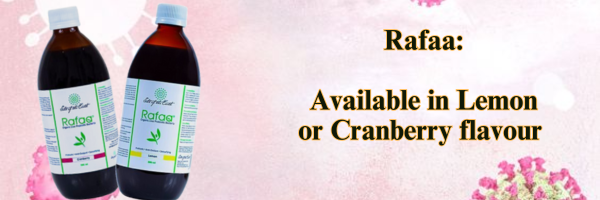
RAFAA, our in-house probiotic, is rich in live organic (Soil based) probiotic bacteria with powerful antioxidant properties. It provides beneficial microorganisms to the gastrointestinal tract, promoting digestive health and immune function. Additionally, RAFAA serves as a natural energy booster, aids in reducing acidity in the body, helps with inflammatory disorders, and may support detoxification processes.
Specific strains of probiotics known for their immune-boosting properties include Lactobacillus acidophilus, Lactobacillus rhamnosus, Bifidobacterium bifidum, and Saccharomyces boulardii. These strains have been extensively studied for their ability to modulate immune responses and support overall health. Which are all present in our Rafaa.
Vitamin C:
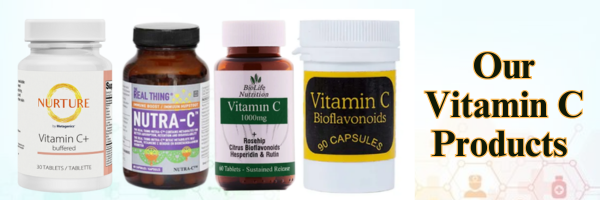
Vitamin C is a water-soluble vitamin renowned for its immune-boosting properties. It acts as a powerful antioxidant, scavenging free radicals and protecting immune cells from oxidative damage. Vitamin C also supports the production and function of white blood cells, which are essential for fighting off infections. Studies have shown that vitamin C supplementation may help prevent and treat colds and other respiratory infections. While it may not necessarily prevent the onset of a cold, regular supplementation with vitamin C has been associated with reduced severity and duration of symptoms. Excellent food sources of vitamin C include citrus fruits such as oranges, grapefruits, and lemons, as well as berries, kiwi, bell peppers, broccoli, and spinach. For those who may have difficulty meeting their vitamin C needs through diet alone, supplements are readily available in various forms such as tablets, capsules, and powders.
Vitamin D:
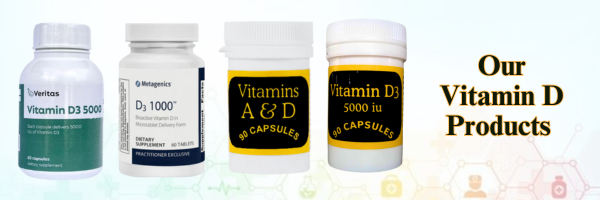
Vitamin D is a fat-soluble vitamin that plays a crucial role in immune health, particularly in reducing the risk of respiratory infections. It helps regulate immune responses, modulate inflammation, and enhance the function of immune cells such as T cells and macrophages. Adequate vitamin D levels have been associated with a lower incidence of respiratory infections, including the common cold, flu, and pneumonia. The primary source of vitamin D is sunlight exposure, as UVB rays trigger the synthesis of vitamin D in the skin. However, factors such as geographic location, season, time of day, and sunscreen use can affect vitamin D production. Dietary sources of vitamin D include fatty fish (e.g., salmon, mackerel, tuna), egg yolks, fortified dairy products, and fortified foods such as cereals and orange juice. For individuals with limited sun exposure or inadequate dietary intake, vitamin D supplements are available in various forms, including vitamin D3 supplements.
Zinc:

Zinc is an essential mineral that plays a critical role in immune function, including supporting the development and function of immune cells, regulating inflammatory responses, and promoting wound healing. Zinc supplementation has been shown to reduce the severity and duration of colds by inhibiting the replication of viruses and enhancing immune function. Good food sources of zinc include oysters, red meat, poultry, beans, nuts, seeds, and dairy products. Zinc supplements are available in various forms, including zinc gluconate, zinc acetate, and zinc citrate. It’s important to note that excessive zinc intake can interfere with copper absorption and may cause adverse effects, so it’s essential to follow recommended dosage guidelines.
Other Immune-Boosting Supplements:
In addition to vitamin C, vitamin D, zinc, and probiotics, there are other supplements known for their potential immune-boosting effects.

Umlingo Juice: Our Umlingo Juice is a natural immune booster crafted from a blend of carefully selected ingredients, including seeded lemons, ginger, garlic, turmeric, extra virgin olive oil, black seed oil, hemp seed oil, organic flaxseed oil, pumpkin seed oil, and stevia. This unique combination of potent ingredients is designed to support immune health and overall wellness.
Umlingo Juice may assist with various health conditions, including diabetes, high blood pressure, cancers, ulcers, AIDS, and more. With its rich blend of natural ingredients, Umlingo Juice offers a holistic approach to immune support and may contribute to a healthier, more vibrant life.
Echinacea: Echinacea is an herb commonly used to support immune function and reduce the severity and duration of colds and respiratory infections. It may help stimulate the immune system and enhance the body’s natural defense mechanisms.
Elderberry: Elderberry is rich in antioxidants and has been traditionally used to boost immune function and alleviate cold and flu symptoms. It may help reduce the duration of colds and flu by inhibiting viral replication and modulating immune responses.
Garlic: Garlic contains compounds like allicin, which have antimicrobial and immune-boosting properties. It may help enhance immune function, reduce the risk of infections, and support overall health. Garlic supplements are available in various forms, including capsules, tablets, and extracts.
Cinnamon: Beyond its delightful flavor, cinnamon is revered for its potent antioxidant and anti-inflammatory properties. Studies suggest that cinnamon may help support immune function by combating oxidative stress and modulating immune responses.
Turmeric: Curcumin, the active compound in turmeric, boasts powerful anti-inflammatory and antioxidant properties. Research indicates that turmeric may bolster immune function by regulating immune cell activity and dampening excessive inflammation.
Astragalus: Used in traditional Chinese medicine for centuries, astragalus is prized for its immune-boosting properties. It contains compounds that may enhance immune cell function and promote resistance against infections.
Olive Leaf: Olive leaf extract is rich in polyphenols and other bioactive compounds with potent antioxidant and antimicrobial properties. Research suggests that olive leaf extract may help support immune function and combat infections.
Ashwagandha: As an adaptogenic herb, ashwagandha helps the body adapt to stress and maintain homeostasis. It also exhibits immune-modulating properties, potentially enhancing immune cell activity and bolstering resilience against infections.
Lion’s Mane Mushroom: Lion’s mane mushroom is valued for its neuroprotective and immune-boosting properties. It contains compounds that may stimulate immune cell activity and support overall immune function.
Oregano: Oregano is not just a flavourful herb; it also harbours potent antimicrobial properties due to its high content of phenols and other bioactive compounds. Oregano oil has been studied for its potential to combat bacterial and fungal infections.
When considering supplementation with these immune-boosting supplements, it’s essential to choose high-quality products from reputable brands and follow recommended dosage guidelines. Additionally, consulting with a healthcare professional before starting any new supplement regimen is advisable, especially for individuals with underlying health conditions or those taking medications. While supplements can play a valuable role in supporting immune health, they should complement a healthy diet and lifestyle rather than replace them.
Precautions and Considerations:
Before incorporating any new supplement into your regimen, it’s crucial for you to seek guidance from a healthcare professional, especially if you have underlying health conditions or are currently taking medications. Certain supplements may interact with medications or exacerbate existing health issues, so it’s essential to ensure compatibility and safety.
Potential interactions between supplements and medications should also be considered. Some supplements may interfere with the absorption, metabolism, or efficacy of medications, leading to adverse effects or reduced effectiveness. Healthcare professionals can provide personalized advice based on an individual’s medical history, current medications, and specific health needs.
Lifestyle Factors:
While supplements can play a valuable role in supporting immune health, they are just one piece of the puzzle. Emphasizing the importance of lifestyle factors is paramount in maintaining a strong and resilient immune system. Regular exercise helps promote circulation, reduce inflammation, and support immune function. Stress management techniques such as meditation, yoga, or deep breathing exercises can help reduce the detrimental effects of chronic stress on the immune system.
Adequate sleep is essential for immune function, as it allows the body to repair and regenerate cells, produce immune cells, and regulate immune responses. A healthy diet rich in fruits, vegetables, whole grains, lean proteins, and healthy fats provides the essential nutrients needed to support immune health. By prioritizing these lifestyle factors, you can optimize your immune function and overall well-being.
Conclusion:
In summary, nurturing a resilient immune system is paramount for overall health and well-being. Supplements like vitamin C, vitamin D, zinc, probiotics, and other immune-boosting aids can significantly support immune health. However, it’s vital to approach supplementation with care and seek guidance from a healthcare professional before adjusting your regimen. By integrating a diverse range of immune-boosting supplements with a balanced diet, regular exercise, stress management, and adequate sleep, you can strengthen your body’s natural defenses and enhance overall wellness. Remember, maintaining a robust immune system is an ongoing journey, and prudent nurturing is essential for thriving in today’s dynamic world.

Leave a Reply